


Most chronic headaches are not random. They start in the neck. The upper cervical vertebrae sit just below the base of the skull, and when one of them shifts out of place, it pulls on the muscles, irritates the nerves running into the head, and restricts blood flow. The result feels like a headache, but the source is structural.
Migraines work on a similar pattern, with added factors like vascular changes and sensory triggers. Patients often spend years cycling through medications that mask the pain without addressing why it keeps coming back. The headaches return because the underlying alignment problem never got corrected.
Dr. J. Blake Gilmore starts with a careful look at the upper cervical spine. The exam identifies which vertebra is involved and which direction it has moved. The adjustment is specific to that joint and only that joint. When the alignment is restored, the nerve and vascular pressure eases, and the headache pattern usually changes within a few visits. Patients who have lived with daily or weekly headaches for years sometimes notice the difference quickly. Others take more time, especially if the pattern is decades old. Either way, the goal is the same: address the source instead of chasing the symptom.
If you're experiencing Headaches & Migraines, our Pensacola chiropractic clinic is here to help. We're conveniently located at 1759 Creighton Rd Suite B, serving patients from across the greater Pensacola area. Learn more about our Pensacola chiropractic practice and the conditions we help with.
Take the first step toward better health for you and your family.

Spinal misalignment, disc problems, or muscle strain limiting daily movement and quality of life.
Learn More
Stiffness, soreness, or sharp pain in the cervical spine that limits motion and daily activity.
Learn More
Sharp, radiating pain down the leg caused by irritation of the sciatic nerve at the spine.
Learn More
Bulging, herniated, or extruded spinal discs that compress nerves and limit movement.
Learn More
Neck injury from sudden back-and-forth motion, most often from rear-end collisions.
Learn More
Persistent shoulder pain, stiffness, or limited motion that interferes with daily activity.
Learn More
Pain, numbness, or weakness in the limbs caused by nerve compression at the spine.
Learn More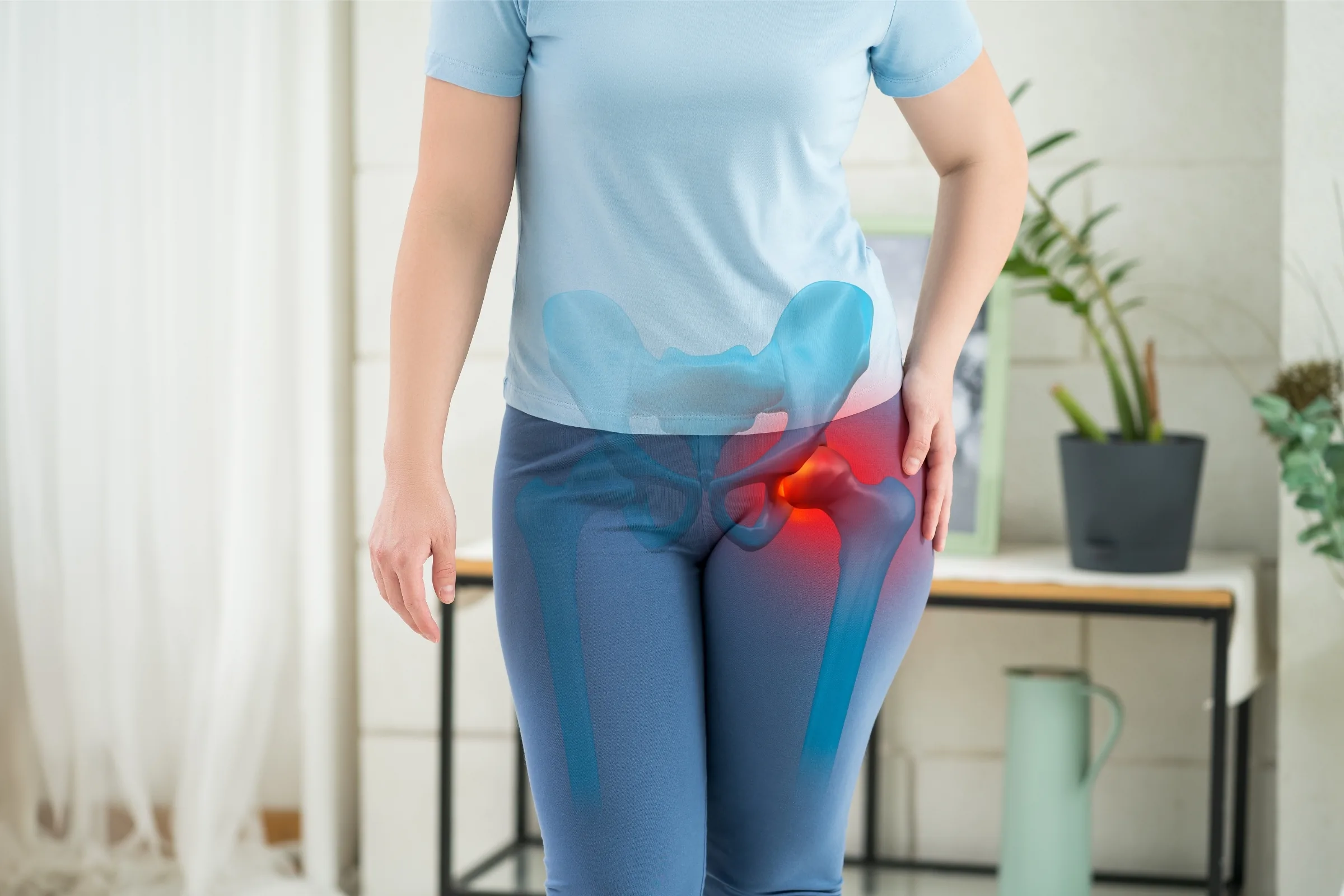
Hip and groin pain or stiffness that affects walking, sitting, and sleep.
Learn More
Knee pain from injury, overuse, or wear that limits walking, stairs, and daily movement.
Learn More
Injuries from job-related accidents, repetitive motion, or sustained poor posture on the job.
Learn More
Strains, sprains, and overuse injuries from training and competition that keep you off the field.
Learn More
Hand and wrist pain, numbness, or weakness from median nerve compression.
Learn More
Abnormal sideways curvature of the spine that affects posture, motion, and long-term function.
Learn More
Joint pain, stiffness, and swelling from wear or inflammation in the joints.
Learn More
A physiologic state that shifts posture, weight, and ligament tension in ways that strain the spine.
Learn More
Sensation of spinning or imbalance, often linked to upper cervical or inner ear dysfunction.
Learn More
Heel and arch pain from irritation of the tissue along the bottom of the foot, often worst with the first steps of the day.
Learn More