Does Spinal Decompression Work in Pensacola, FL? Benefits, Risks & Treatment Guide
- soodharoop23
- Apr 27
- 3 min read

What Is Spinal Decompression?
Spinal decompression is a non-surgical treatment designed to relieve pressure on the spine. It is commonly used for conditions like herniated discs, sciatica, and chronic back pain. This therapy gently stretches the spine using a specialized table or device, allowing discs to return to their normal position.
Many clinics offering spinal decompression therapy in Pensacola, FL, use advanced equipment to provide controlled and safe treatment sessions.
Does Spinal Decompression Work?
A common question patients ask is: Does spinal decompression work?
The answer depends on the condition being treated, but for many people, it can be very effective. Studies and patient experiences show that spinal decompression can help reduce pain, improve mobility, and support healing.
It works by:
Reducing pressure on spinal discs
Improving blood flow to affected areas
Encouraging natural healing
While it may not be a permanent solution for every condition, many patients experience noticeable relief after a series of sessions.
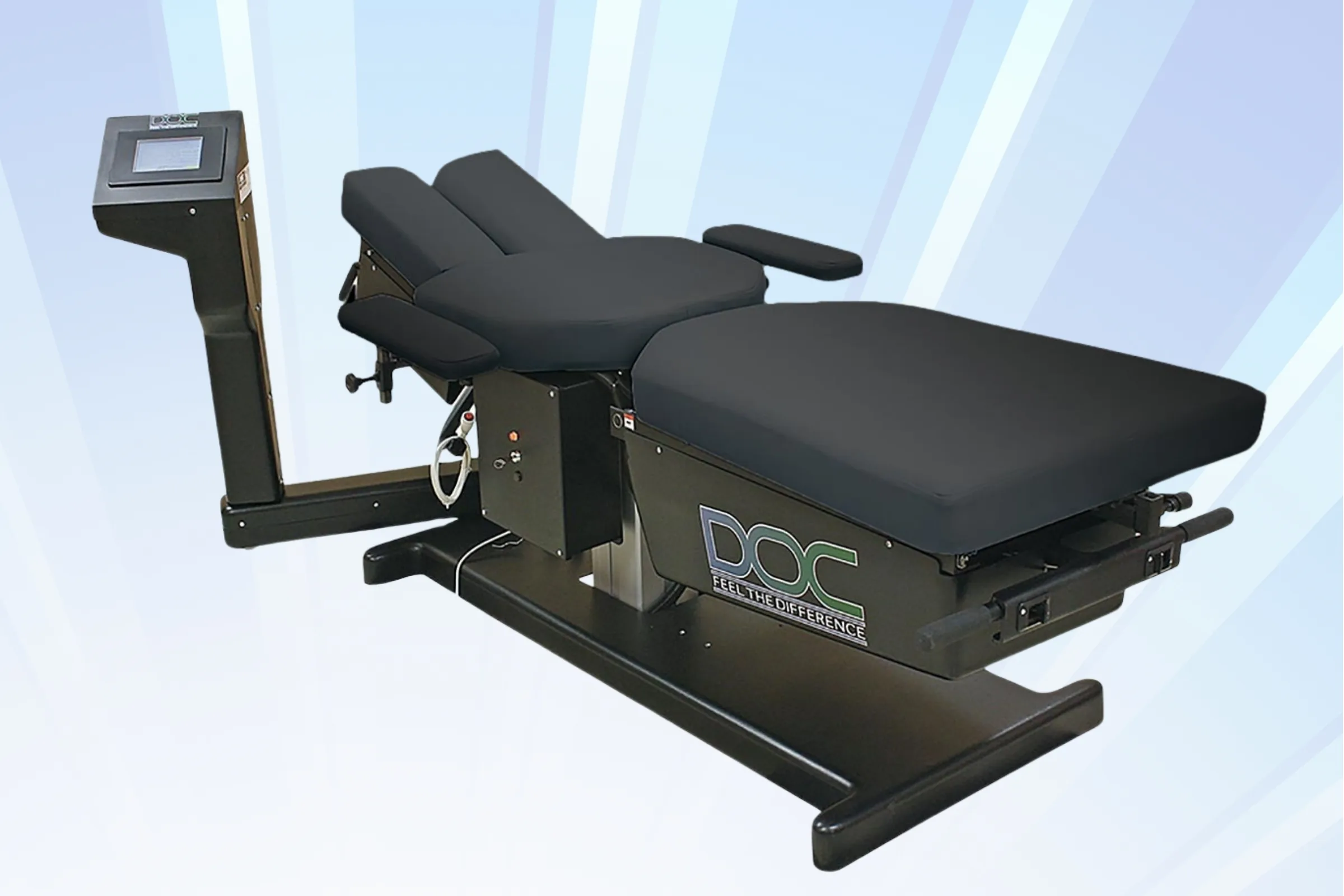
How a Spinal Decompression Machine in Pensacola, FL Works
A spinal decompression machine in Pensacola, FL, is designed to gently stretch the spine in a controlled manner. During treatment:
You lie on a special table
The machine applies a slow pulling force
The spine is stretched and relaxed in cycles
This process creates negative pressure within the discs, which can help reposition bulging or herniated discs and reduce nerve pressure.
Types of Spinal Decompression Treatments
There are two main types of spinal decompression:
1. Non-Surgical Spinal Decompression
Uses a motorized table
Safe and widely used
No recovery time needed
2. Surgical Spinal Decompression
Performed in severe cases
Involves removing bone or tissue
Requires recovery time
Most patients prefer non-surgical options before considering spinal decompression surgery.
Benefits of Spinal Decompression Therapy
Spinal decompression offers several advantages, especially for those dealing with chronic pain.
Key Benefits:
Reduces back and neck pain
Improves spinal alignment
Relieves pressure on nerves
Enhances mobility and flexibility
Supports long-term healing
Many patients combine therapy with spinal decompression exercises for better results.
Risks and Limitations
Although generally safe, spinal decompression may not be suitable for everyone.
Possible limitations include:
Not effective for severe spinal conditions
Requires multiple sessions for best results
May not provide permanent relief
Some people may experience mild discomfort after treatment, but serious side effects are rare.
Who Should Consider Spinal Decompression?
You may benefit from spinal decompression if you have:
Herniated or bulging discs
Sciatica
Chronic lower back pain
Degenerative disc disease
Pinched nerves
Consulting a professional, such as a chiropractor in Pensacola, FL, can help determine if this treatment is right for you.
Alternative Options Like Exercises and Chiropractic Care
In addition to decompression therapy, other treatments can support recovery:
Chiropractic adjustments
Physical therapy
Stretching routines
Strengthening exercises
Many patients use a combination of therapies to achieve long-term results.
Conclusion
So, does spinal decompression work? For many individuals, the answer is yes. It is a safe, non-invasive option that can reduce pain and improve quality of life when used appropriately.
With advanced options like a spinal decompression machine in Pensacola, FL, patients now have access to effective treatments that support natural healing. While results may vary, combining this therapy with proper care and lifestyle changes can lead to long-term benefits.
Frequently Asked Questions
Is it good to decompress your spine?
Yes, spinal decompression can help reduce pressure on discs and relieve pain when done correctly under professional supervision.
What is the success rate of spinal decompression therapy?
Success rates vary, but many patients report significant improvement, especially with consistent sessions.
What are the negative effects of spinal decompression?
Side effects are usually mild, such as temporary soreness. Serious risks are uncommon when performed by trained professionals.
What are the best recommended spinal decompression methods?
Non-surgical decompression using a specialized table is the most commonly recommended method, often combined with exercises and chiropractic care.


Comments